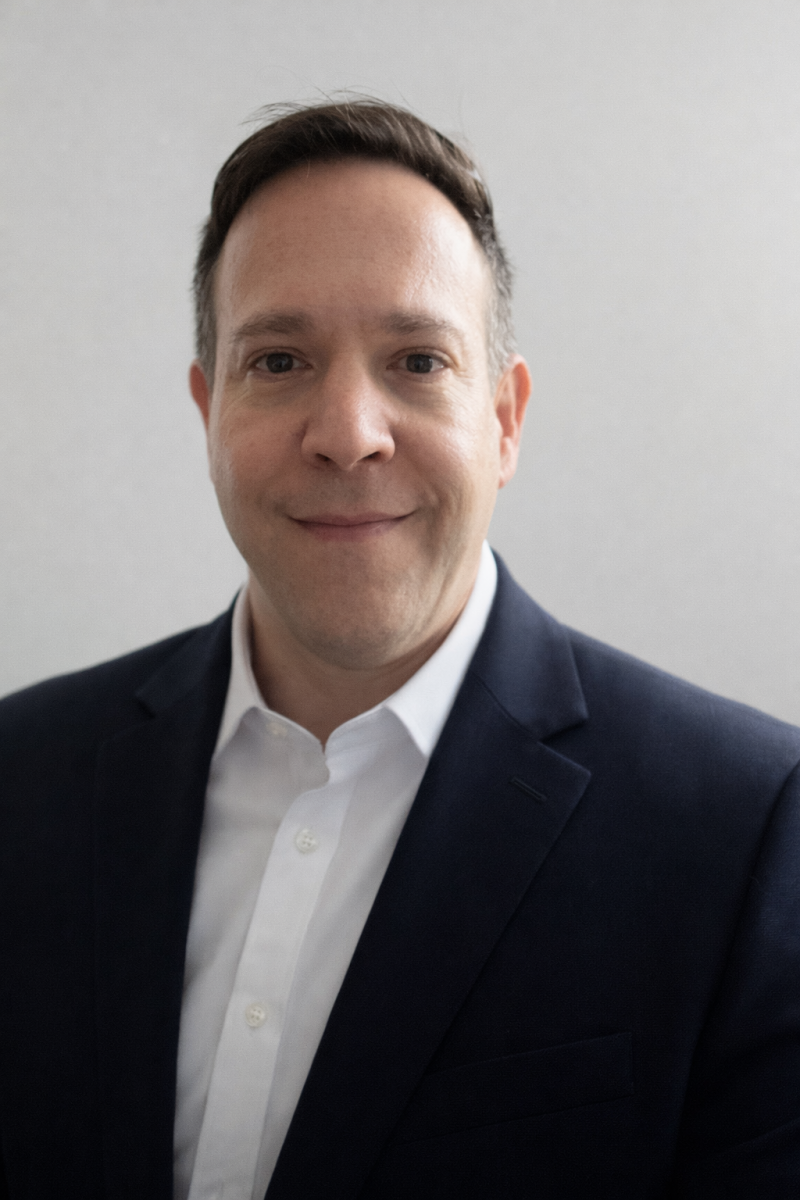
About Me
For more than 25 years in New York City public schools, I have designed and built structured, standards-aligned visual arts programs grounded in discipline, critique, and sustained studio practice. I believe that one steady adult and a well-designed learning environment can change the trajectory of a young person’s life.
My classroom is calm, purposeful, and rooted in respect. Students are held to high standards within systems that support technical growth, intellectual development, and sustained focus. Through drawing, painting, mixed media, and design, they develop not only artistic skill, but revision habits and critical thinking.
Art gave me a language for identity and reflection when words were not enough. I teach from that understanding. Studio practice becomes a space where students build confidence, voice, and agency — discovering what they are capable of creating and who they are becoming.
Fatherhood keeps my work grounded. Watching my child grow reinforces what I know to be true: young people learn from what we model, the standards we uphold, and the steadiness we bring each day.
Frequently asked questions
These are common questions families and school leaders ask about my classroom structure, expectations, and approach to visual arts instruction.
What can students expect in your art class?
Students can expect a structured, respectful studio environment with clear routines and high expectations. Each lesson is built around defined objectives, modeling, guided practice, critique, and reflection. Creativity is encouraged within a framework that supports focus, discipline, and growth.
How is student work assessed?
Assessment is based on skill development, effort, revision, and understanding of artistic concepts. I use portfolio-based evaluation so students can see their growth over time. Rubrics are clear, transparent, and aligned to learning standards.
How do you support different learning styles and abilities?
Instruction includes visual modeling, step-by-step demonstrations, scaffolded skill progressions, and structured peer critique. Students receive both support and challenge so they can work at their own pace while meeting consistent expectations.
How do you maintain classroom management?
My classroom runs on consistency and clear procedures. Students understand expectations from the moment they enter. A calm, structured environment allows them to take creative risks without distraction or chaos.
What role does art history play in your curriculum?
Students analyze influential artists and movements to build cultural literacy and historical context. We connect technique to history, identity, and social themes so that art-making is thoughtful and intentional.
How can families support student success in art?
Encourage your child to reflect on their work, meet deadlines, and take pride in revision. Ask about their process — not just the final product — and reinforce the importance of effort and persistence.
How do you ensure academic rigor in an arts classroom?
Rigor comes from structured skill progression, intentional critique, and meaningful revision. Students are expected to analyze, problem-solve, and articulate their artistic decisions. Studio work is treated as disciplined practice — not free time.
What do you enjoy outside of teaching?
Outside the classroom, I collect vintage toys and comic books — artifacts of visual storytelling and design. I’m also developing a children’s book, exploring character and narrative. These creative pursuits continue to shape how I think about art, culture, and visual expression.
Books by Eric Mendelson
Through fiction, I explore memory, belonging, identity, and emotional resilience. Whether writing psychological suspense or poetic children’s stories, my work centers on how people experience light, loss, and connection.
Writing allows me to explore the emotional landscapes that inform both my teaching and my life — the unseen spaces where memory, fear, hope, and resilience intersect.
That makes the books feel integrated into my broader intellectual identity — not random projects.

